Why Firsthand Animal Experiences Matter in a Screen Driven World
You might think zoos and aquariums do not qualify as theme parks, but the line separating them has become increasingly blurred. Some theme parks are built entirely around animal themes, while many zoos and aquariums have added attractions as a way to draw people in and shine a brighter spotlight on their conservation work. What matters most is not the label, but the experience of seeing living creatures with your own eyes in a world where so much of our understanding now comes through screens.
Living in San Diego, I am especially aware of how fortunate we are when it comes to access to these kinds of experiences. San Diego Zoo is considered one of the best in the world and is complemented by a second park built around a safari experience. SeaWorld focuses on marine life, and even Legoland in Carlsbad has its own aquarium. Together they offer countless opportunities to experience animals from across the globe without ever leaving the region.
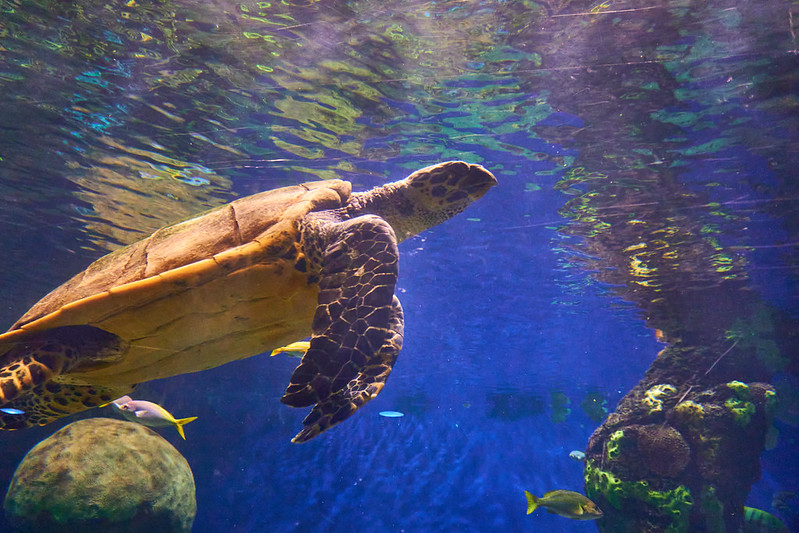
There is something profoundly different about standing in front of an animal rather than watching a video or scrolling past an image on your phone. Seeing animals firsthand creates an awareness of biological diversity that is hard to replicate digitally. When you observe how an animal moves, how it interacts with its environment, and how it responds to others around it, empathy naturally follows. That empathy is often the first step toward caring about conservation and wanting to protect these species from extinction.
These visits are also wonderful opportunities to capture meaningful memories. For families visiting with children for the first time, the sense of wonder on a child’s face as they encounter a giraffe, sea turtle, or ray can be just as powerful as the animal itself. Those moments become lasting reminders of curiosity, discovery, and connection. Photography in these spaces is not only about documenting animals, but also about preserving human reactions to the natural world.
The educational component of zoos and aquariums plays an important role as well. Many of the animals on display come from parts of the world most visitors may never travel to. These parks offer a window into ecosystems that feel distant and unfamiliar, making the planet feel both larger and more interconnected at the same time. Informational displays, talks, and behind the scenes efforts help turn a casual visit into a deeper learning experience.
There are also important realities worth acknowledging. SeaWorld, for example, has faced criticism for its past handling of killer whales. At the same time, revenue from the park supports extensive marine life rescue and rehabilitation efforts along the Southern California coastline. Injured or stranded animals are often treated, cared for, and released back into the wild. While no institution is perfect, many of these parks play a meaningful role in conservation and rescue work that often goes unseen by visitors.
Each time I visit one of these parks, I leave with a renewed appreciation for the incredible diversity of life on our planet. The beauty of these animals is not just visual, but deeply emotional. I always hope that children who visit leave with a desire to learn more, to ask questions, and to grow up caring about a world where all species, including our own, have a chance to thrive.
If you have photos from visits to zoos, aquariums, or animal themed parks, I would love to see them. Come share your experiences and images in the Fairy Tale Photo Academy Theme Park Photography community on Skool. It is a free community, and we would be excited to have you join us and share the moments that made you pause, reflect, and connect.


